Deer Yards: Protecting Wildlife Through Traditional Stewardship and Collaboration
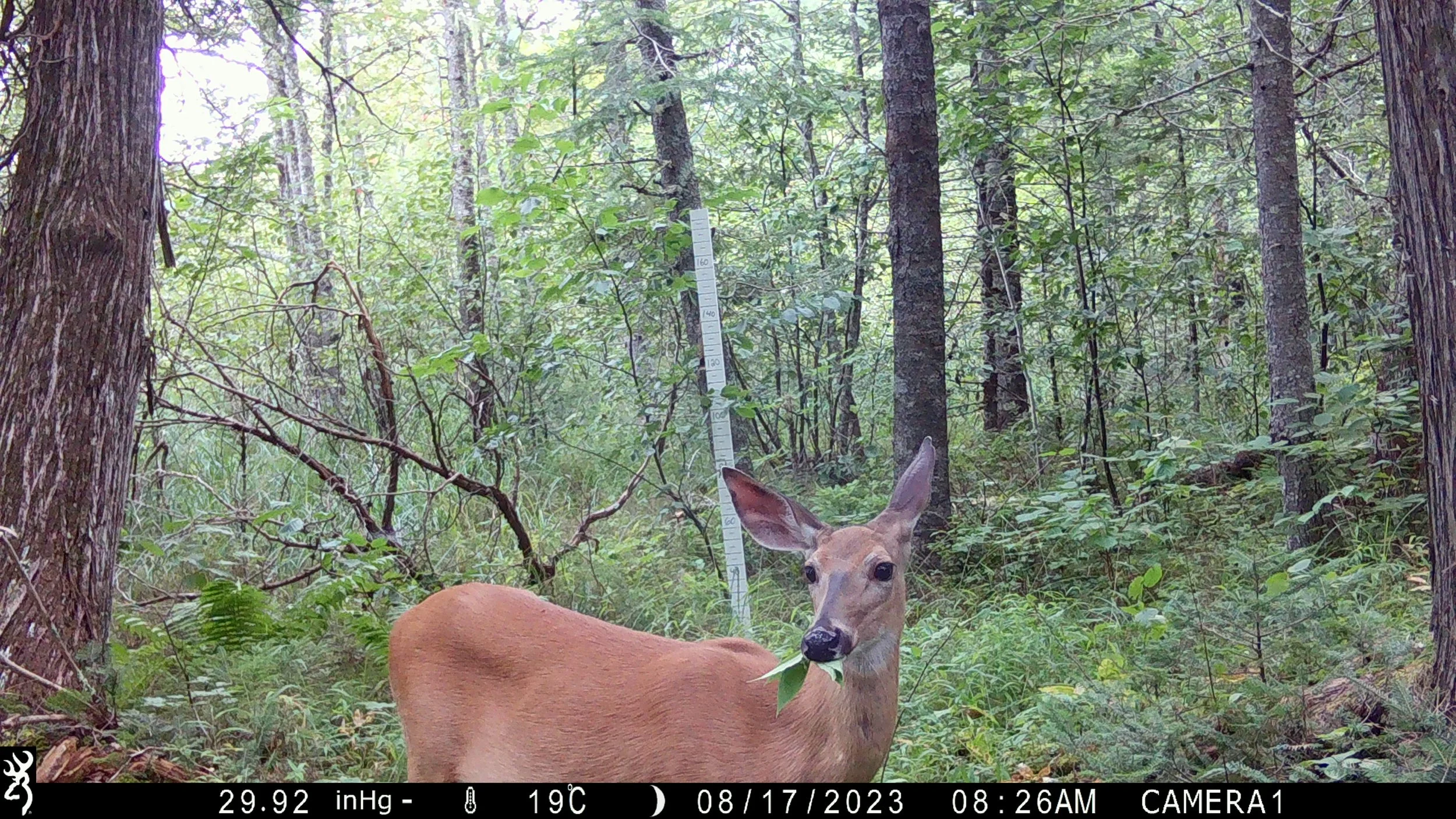
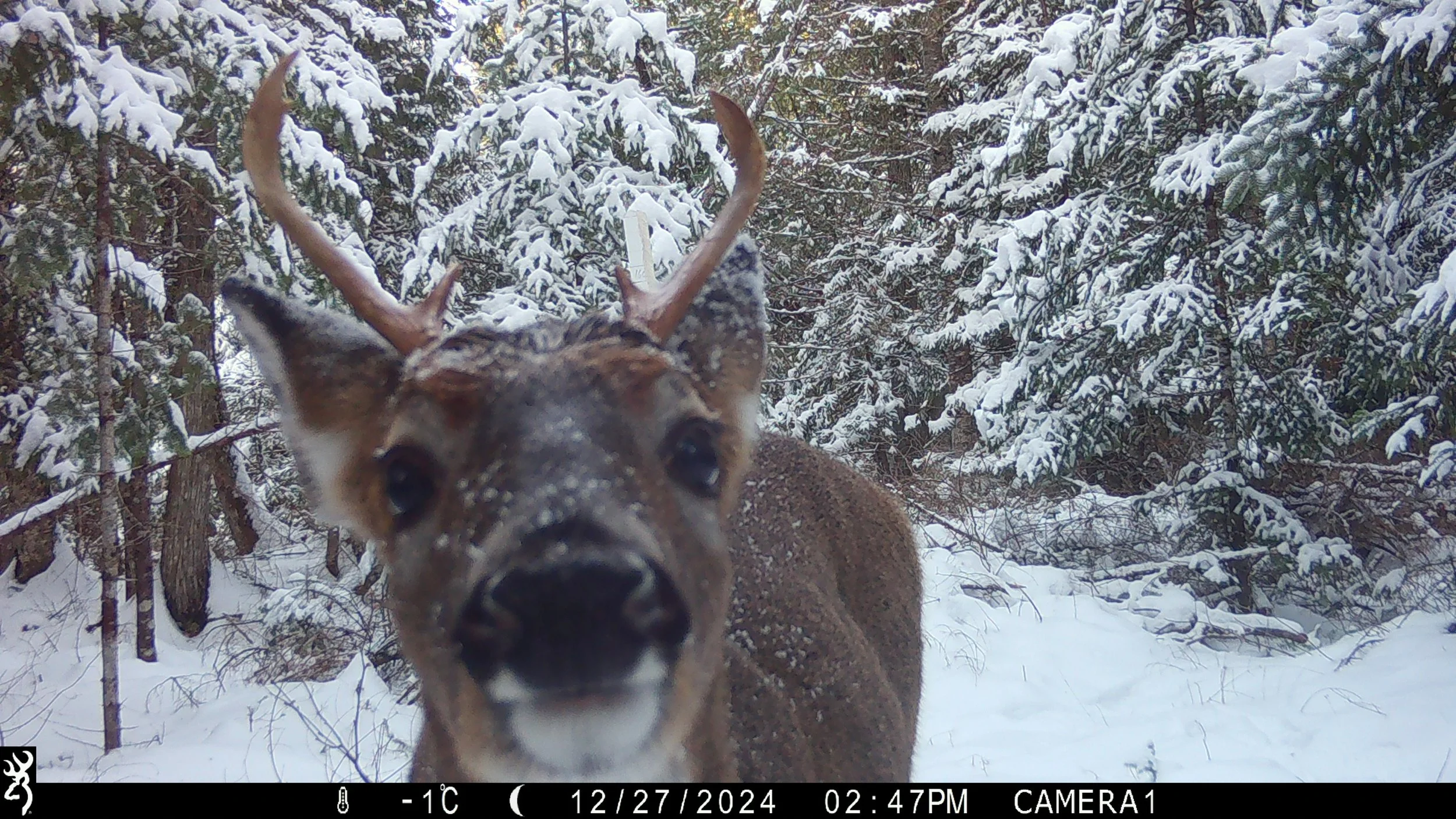
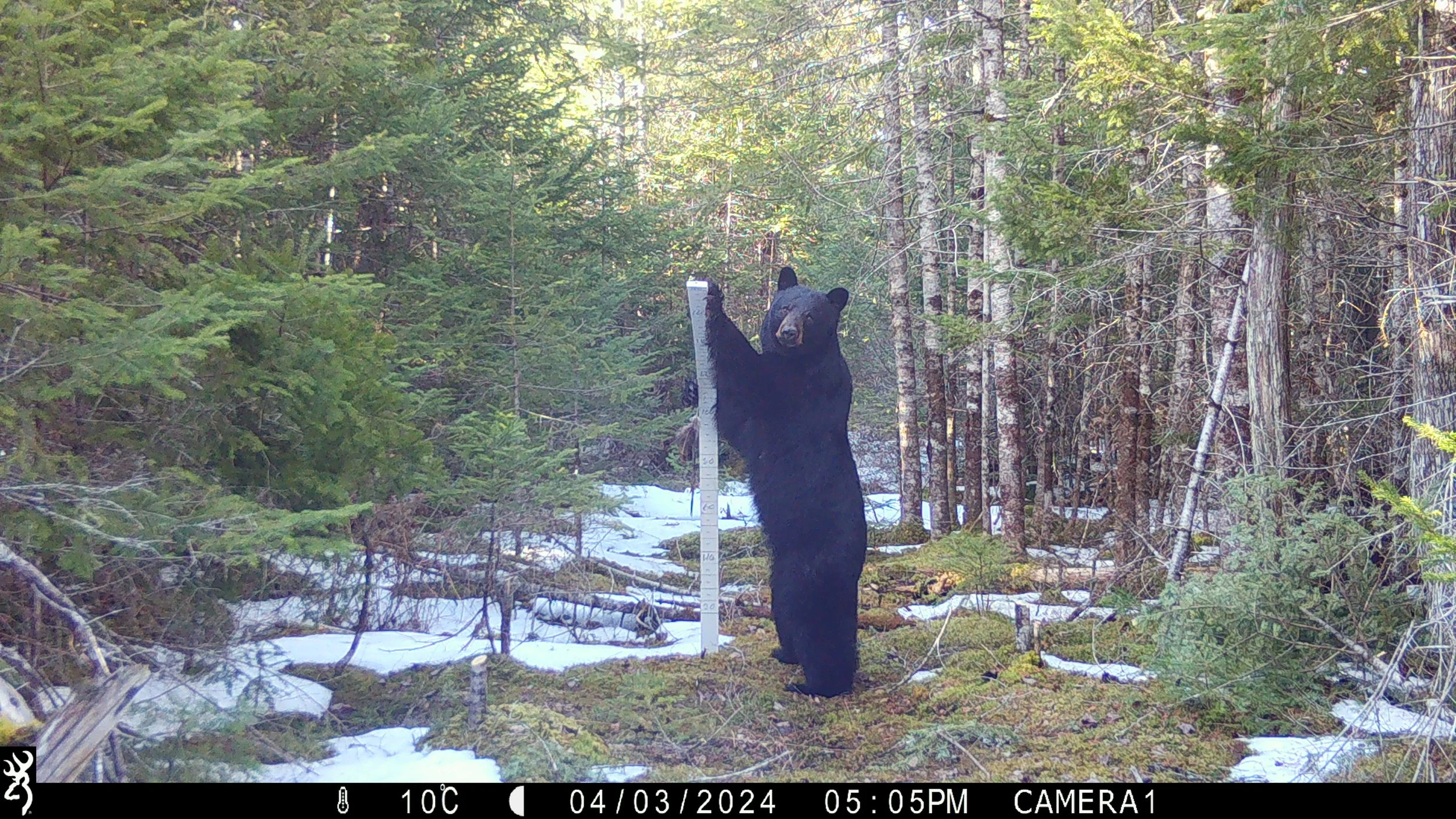
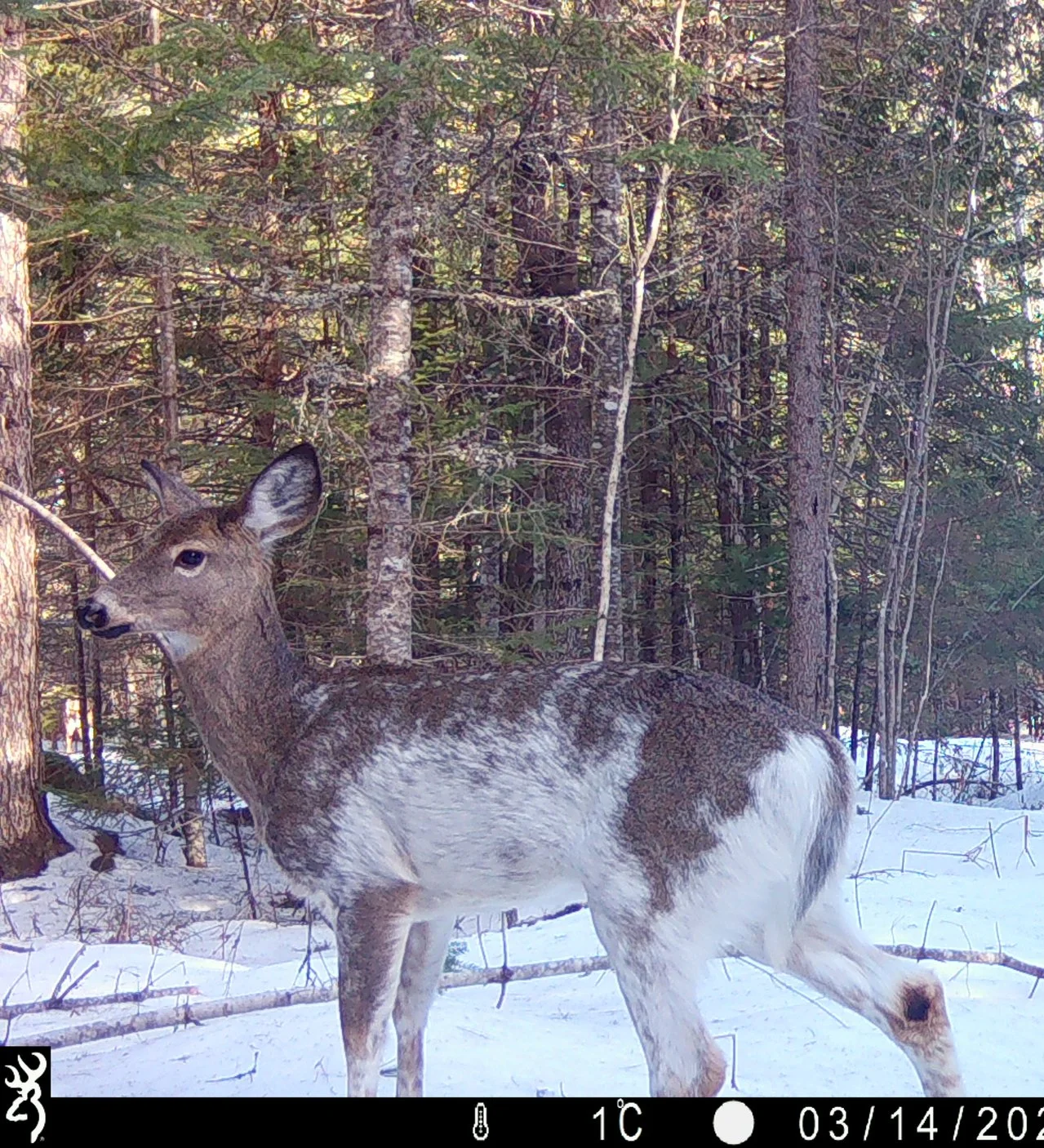
To measure the project's success, EQIP funding was used for wildlife cameras. The cameras monitored deer movements and habitat use over time.
The Penobscot Nation balances ecological health, cultural values, and wildlife conservation by carefully managing deer yards, which provide critical winter habitat for white-tailed deer. Through sustainable forestry and partnerships with USDA’s Natural Resources Conservation Service (NRCS) and other state partners, the Nation is helping protect these habitats for generations to come.
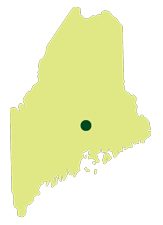
The forested lands near Alton, Maine hold special significance for the Penobscot Nation. Acquired in 2014 and later placed into trust, the land is located within the Nation’s homelands in what is now known as Penobscot County, Maine and lies within a traditional hunting territory that has supported Penobscot families for generations. Of particular interest within this territory are deer wintering areas, otherwise known as deer yards, because they protect the white-tailed deer population needed for traditional sustenance hunting, cultural continuity, and balanced forest ecosystems.
Before coming under Tribal ownership, the land had been harvested by a logging company, leaving behind a dense regenerating forest. While regeneration can provide valuable habitat, Tribal natural resource managers saw an opportunity to improve conditions for deer and strengthen the long-term health of the forest.
THE RESURGENCE OF THE DEER YARD
In 2021, the Nation began a project to revitalize a 300-acre tract within the site. Chuck Loring, Penobscot citizen and Natural Resource Director for Penobscot Nation, notes, “The tract area for the deer yard was already part of a much larger state-designated deer wintering area, making it especially valuable from both a wildlife conservation and cultural perspective.”
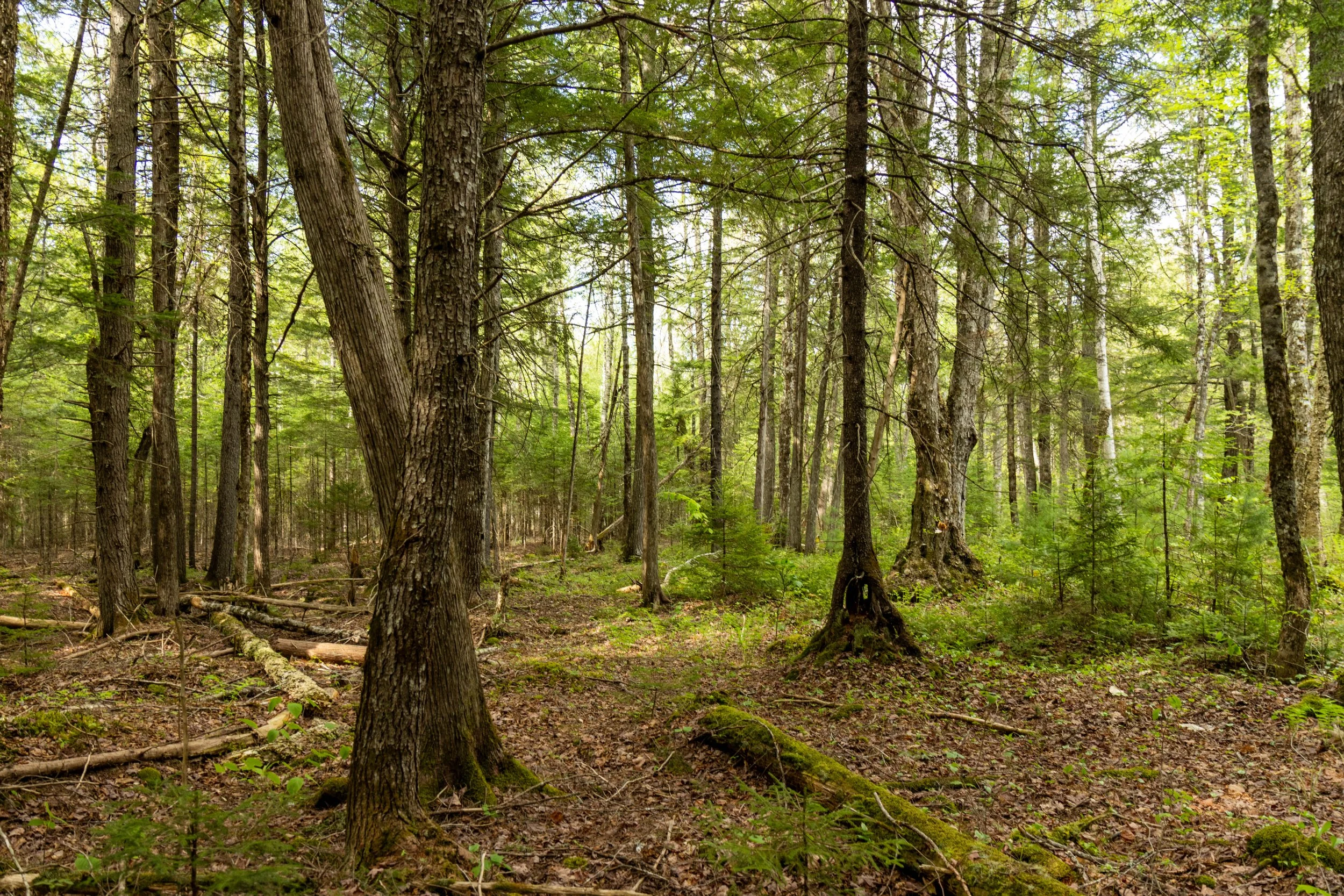
Loring says that one of the key strategies used in deer yard management is maintaining extensive areas of continuous softwood cover. “Deer rely on dense stands of fir and hemlock during the winter months because the thick canopy intercepts snow, reducing the amount that reaches the ground. This creates easier travel conditions for deer, helping them conserve energy during a season when food is scarce and survival depends on minimizing exertion.”
To maintain this habitat, Tribal foresters use a selective harvesting approach. Loring says:
“Instead of large-scale timber removal, roughly 20 percent of a deer yard may be harvested over a ten-year period. This gradual process can extend across a full century-long rotation. The goal is to preserve the dense canopy while creating small openings that encourage forest regeneration and provide food for wildlife.”
BEYOND JUST SHELTER
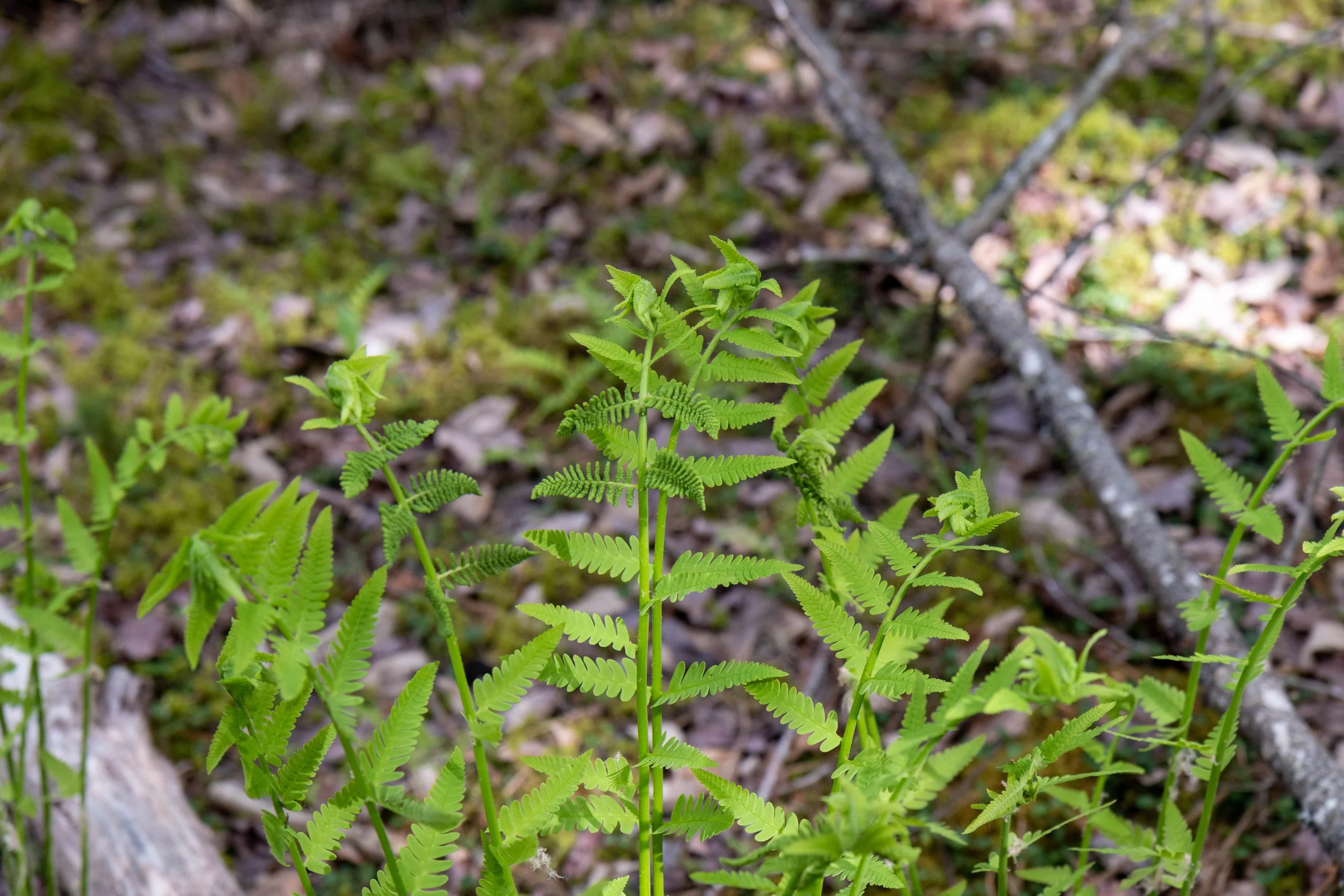
These openings are important because deer need more than shelter. They also require access to browse, including young hardwood shoots, lichens from fir trees, and other vegetation that become critical food sources during winter. Small gaps in the forest stimulate new growth, creating a mix of habitat conditions that provide both cover and nutrition. In some areas, foresters also use techniques such as hinge cutting, where selected hardwood trees are partially cut and laid over to encourage accessible browse while providing additional cover.
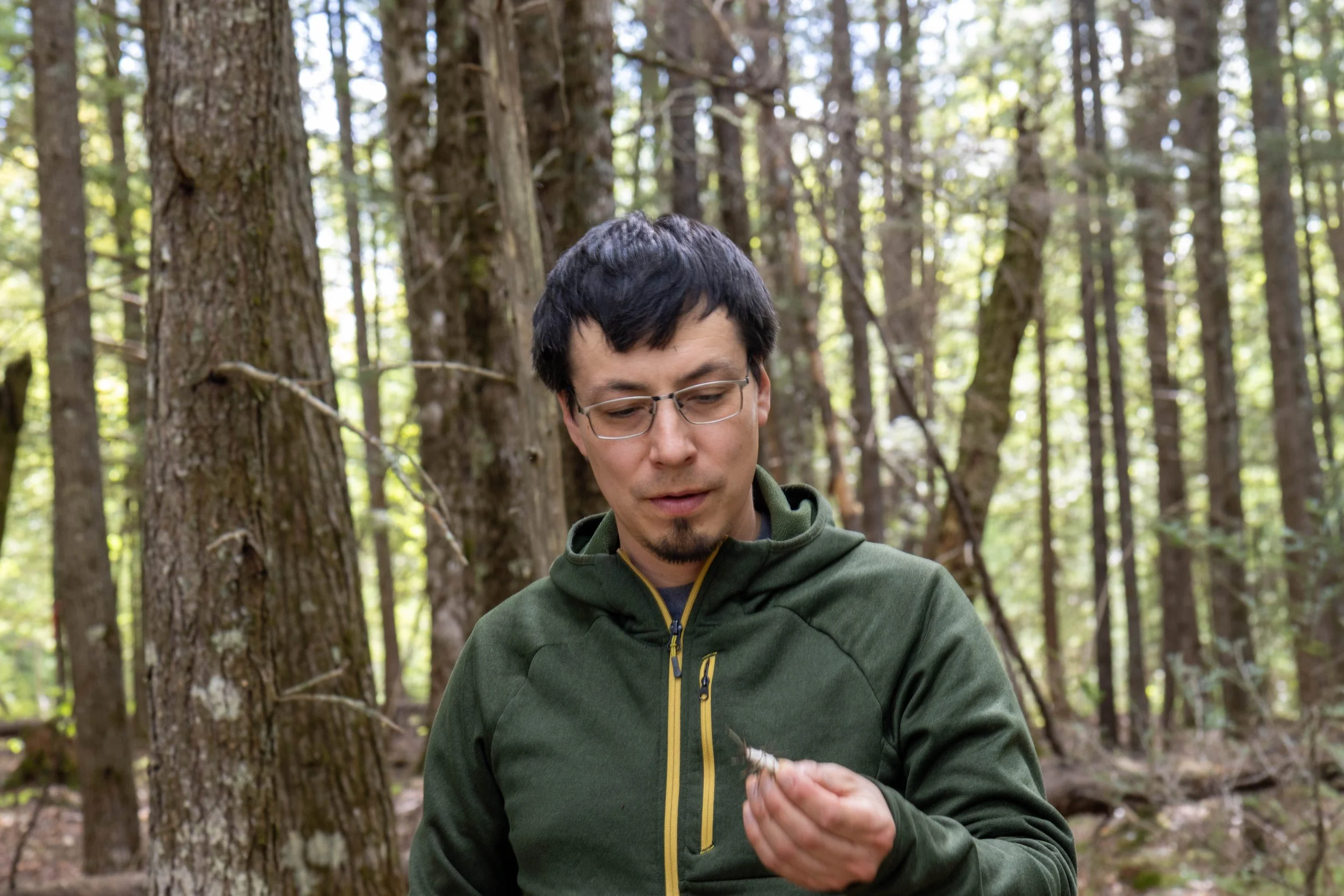
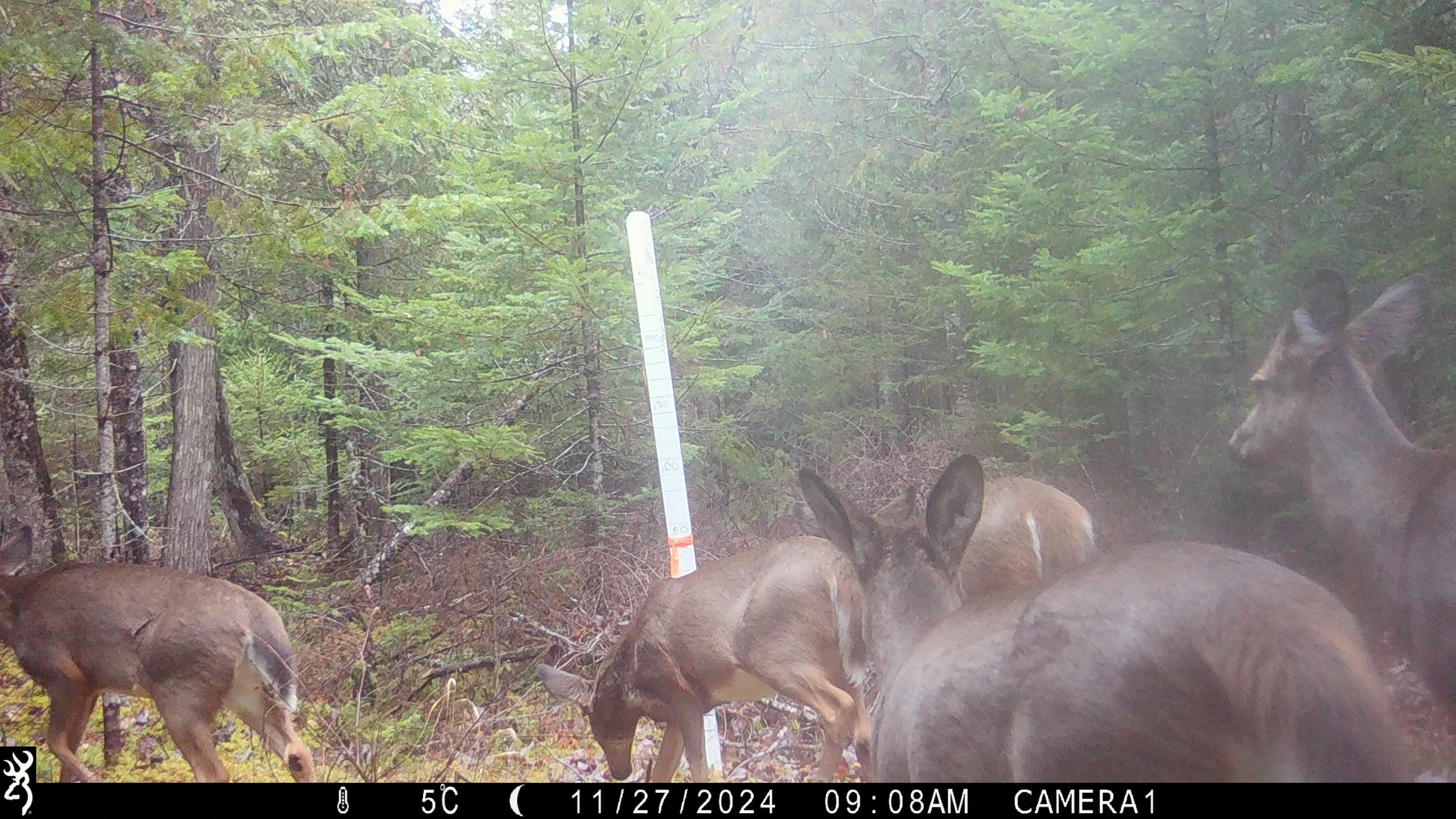
Monitoring the effectiveness of these management strategies is an important part of stewardship. “Snow measurement stakes installed throughout the deer yard help track snow depth and accumulation over time. These measurements provide valuable information about how well the forest canopy protects the ground below and can also contribute to broader observations about changing environmental and climatic conditions in the region,” Loring says.
INSIGHT
Understanding why wildlife habitat sometimes takes precedence over commercial value became an important part of successfully implementing the project.
Managing deer habitat often requires foresters to rethink conventional forestry practices. In many commercial settings, species such as fir and hemlock may receive less emphasis than high-value timber species. Within a deer yard, however, these softwoods become a priority because of the shelter they provide. This shift in management philosophy required education and collaboration among forestry crews, many of whom were more accustomed to timber-focused objectives.
PARTNERS IN MEASURING SUCCESS
Over the years, this relationship between the Penobscot Nation and the NRCS has evolved into a productive collaboration that supports a wide range of environmental projects. The deer yard project represents one chapter in a much longer history of cooperation focused on responsible stewardship of natural resources.
The deer yard project represents a different type of collaboration. Whereas previous projects focused on roads or waterways, this effort centered on wildlife habitat improvement through pre-commercial thinning. NRCS provided funding, through the Environmental Quality Incentives Program (EQIP), on a per-acre basis to support thinning activities across a 50-acre treatment area. Another 50-acre section was left untreated as a control site, allowing researchers and managers to compare outcomes.
To measure the project's success, EQIP funding was also used for wildlife cameras and installation in both the treated and untreated sites. The cameras monitored deer movements and habitat use over time. The results were encouraging. Following the thinning work, deer showed a clear preference for the treated area, suggesting that the management approach successfully improved habitat conditions. The combination of maintained cover, increased browse availability, and improved stand structure created an environment that deer actively selected.
ADVANCING JOINT CONSERVATION GOALS
Early interactions between the Penobscot Nation and NRCS reflected the challenges that often accompany relationships between Tribal nations and federal agencies. As trust developed, however, both sides recognized the value of cooperation. Loring says, “I think we all became comfortable with each other, and then we started getting some really great work done and seeing the value of that partnership.” He adds that NRCS assists not only with funding but also with project planning and permitting, reducing administrative burdens that might otherwise limit conservation efforts.
Loring says,
“The NRCS in Maine has been a great partner to us for over 30 years now. We have accomplished lots of projects together, from bridges and fish barrier removals to timber stand improvement projects.
The staff of the agency can be very helpful, but it is also good for the Tribal nations to have an understanding of the offerings of NRCS as well. That helps make better- informed decisions on prioritizing work.”
Ben Stevens, a Passamaquoddy Tribal member who serves as a forester for the Penobscot Nation, explains that the broader goal of this work is regeneration.
“Forests must be managed in ways that support future trees, healthy ecosystems, and the animals that depend on them. Recreational opportunities such as hunting and fishing are part of that vision, but they are grounded in a deeper commitment to sustaining the land itself.”
The deer yard demonstrates how through traditional values and modern conservation practices—as well as collaboration with federal and state partners—the Penobscot Nation is protecting a landscape that supports wildlife, honors cultural traditions, and serves as a model for long-term stewardship. These efforts underscore the importance of managing forests not only for what they can produce today, but for what they can sustain far into the future.