

NRCS Agreement Types
From seasonal planning to regional agreements, resources from NRCS are available at every scale.
Not sure what program is right for your tribe? We're here to help you figure that out—get in touch. Looking for deadlines? See them all in one place here.
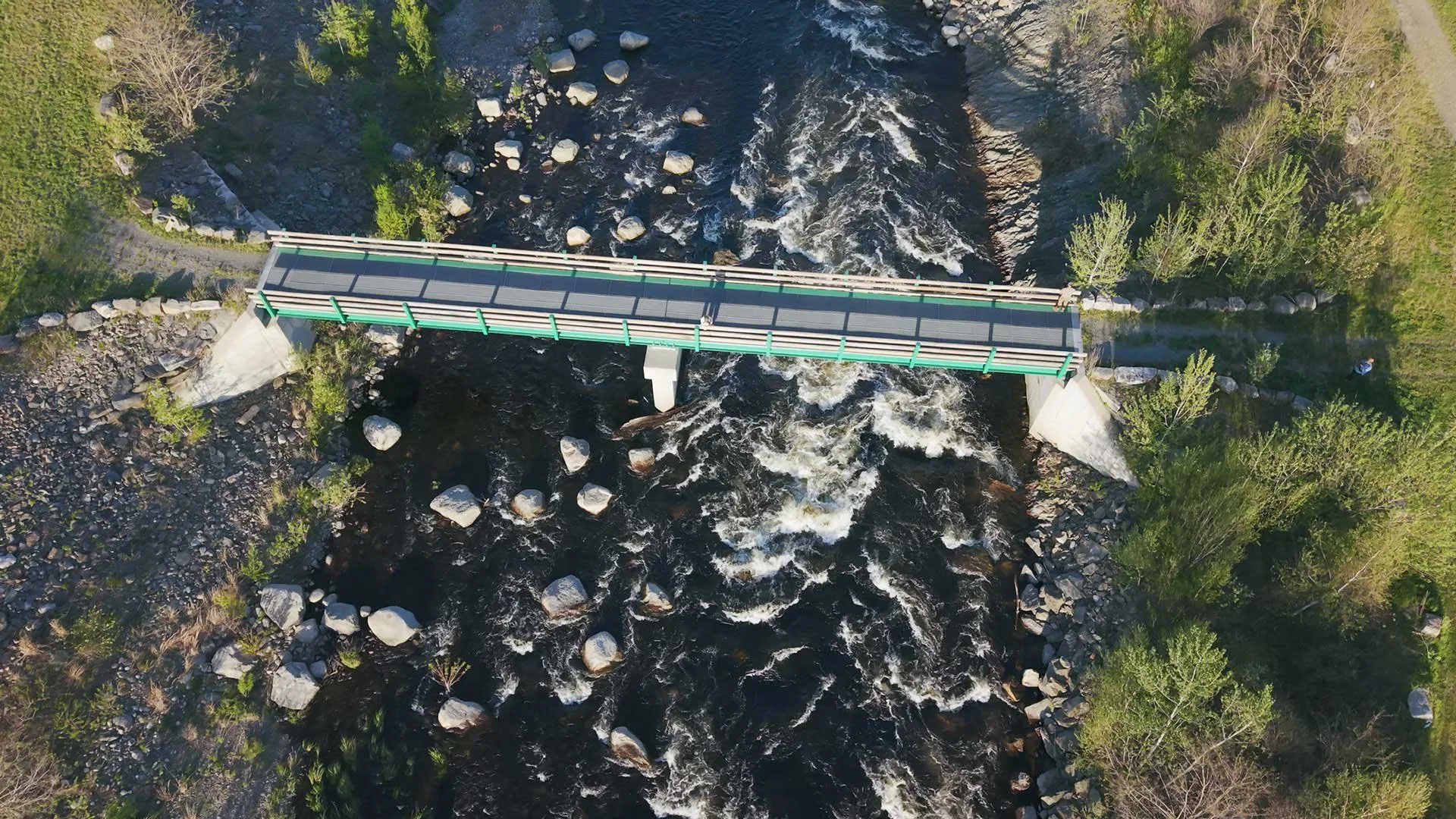
The Penobscot Nation is one of the four tribes that make up the Wabanaki Alliance in what is now Maine. Both have stewarded these forests, rivers, and islands since time immemorial — and today, their natural resources departments carry that work forward. This bridge project was made possible through a NRCS partnership.
Learn more about NRCS agreements
These are the NRCS programs that are often best suited to forestry projects. View all available NRCS programs and initiatives here.
Environmental Quality Incentives Program (EQIP)
The Environmental Quality Incentives Program (EQIP) is NRCS’ flagship conservation program that helps farmers, ranchers and forest landowners integrate conservation into working lands.
-
EQIP provides technical and financial assistance to agricultural producers and forest landowners to address natural resource concerns, such as:
Improved water and air quality;
Conserved ground and surface water;
Increased soil health ;
Reduced soil erosion and sedimentation;
Improved or created wildlife habitat; and
Mitigation against drought and increasing weather volatility.
Deadline to apply
EQIP has continuous enrollment—NRCS accepts producer applications for its conservation programs year-round, but producers interested in funding during the current fiscal year should apply by their state’s ranking dates. Each state has a different date and those can be found here.
Regenerative Pilot Program (RPP)
The NRCS Regenerative Pilot Program is a farmer first, outcomes-based approach to conservation designed to return the agency to its core mission – Keeping Working Lands in Working Hands.
-
Regenerative Agriculture is a conservation management approach that emphasizes natural resources through improved soil health, water management, and natural vitality for the productivity and prosperity of American agriculture and communities.
This pilot program addresses whole-farm resource concerns through support for voluntary regenerative agriculture conservation plans. It puts American farmers first as a part of the solution to Make America Healthy Again (MAHA) by supporting access to American-grown whole foods, critical to addressing the chronic disease crisis nationwide.
Conservation Stewardship Program (CSP)
If you are already taking steps to improve the condition of the land, chances are, CSP can help you find new ways to meet your goals. NRCS works one-on-one with producers to develop a conservation plan that outlines and enhances existing efforts, using new conservation practices or activities, based on management objectives for your operation.
-
Producers implement practices and activities in their conservation plan that expands on the benefits of cleaner water and air, healthier soil and better wildlife habitat, all while improving their agricultural operations.
Deadline to apply
CSP has continuous enrollment—NRCS accepts producer applications for its conservation programs year-round, but producers interested in funding during the current fiscal year should apply by their state’s ranking dates. Each state has a different date and those can be found here.
Regional Conservation Partnership Program (RCPP)
The Regional Conservation Partnership Program (RCPP) is a partner-driven approach to conservation that funds solutions to natural resource challenges.
-
By leveraging collective resources and collaborating on common goals, RCPP demonstrates the power of public-private partnerships in delivering results for agriculture and conservation.
RCPP projects may include a range of on-the-ground conservation activities implemented by farmers, ranchers and forest landowners. These activities include:
Land management/land improvement/restoration practices
Land rentals
Entity-held easements
United States-held easements
Public works/watersheds
Conservation Innovation Grants (CIG)
Conservation Innovation Grants (CIG) is a competitive program that supports the development of new tools, approaches, practices, and technologies to further natural resource conservation on private lands.
-
Conservation Innovation Grants (CIG) are competitive grants that drive public and private sector innovation in resource conservation. CIG projects inspire creative problem-solving—helping to boost production on farms, ranches, and private forests through improvements in water quality, soil health, and wildlife habitat.

Variances: A tool to allow for increased flexibility
Variances are established when a Tribal nation wishes to implement a practice that addresses a resource concern but does not meet all the requirements of the practice standard.
It is important to note that practice variances must be requested before NRCS funds are obligated or the practice is implemented. Moreover, variances must be reviewed and approved.
Variances have been utilized to create flexibility to support Tribal goals and interests while maintaining the integrity of NRCS practice standards.
There are a variety of efforts that NRCS has led at the state and national level to increase the extent to which NRCS tools and programs can support collaborative work with Tribal Nations in forestry and agroforestry informed by Tribal knowledge. These include:
-
This interim practice standard is defined as “Managing and improving a soil ecosystem by growing two or more culturally significant plants together using cultural and biological strategies that enhance soil health, foster the cycling of resources and promote biodiversity”. The resource concerns addressed by this practice relate to habitat and diversity of soil organisms, soil organic carbon, and soil aggregate stability. The practice standard can be found here.
-
This conservation practice standard has been modified to include such species as elk and bison, each of which are culturally important to some Tribal Nations. It is defined as “managing the harvest of vegetation with grazing and/or browsing animals with the intent to achieve specific ecological, economic, and management objectives.”
-
This activity facilitates incorporation of Tribal traditional ecological knowledge into NRCS planning. It is defined as “An evaluation of land uses, capabilities, and limitations with respect to Indigenous Stewardship Methods that informs the conservation planning process. More about this can be found here.