Wabanaki Confederacy
This collaboration between the Tribal Nations that comprise the Wabanaki Confederacy, U.S. Department of Agriculture (USDA) programs including Natural Resources Conservation Service (NRCS) in Maine and Sustainable Agriculture Research and Education (SARE), and other organizations demonstrates how Indigenous knowledge, culture, and governmental conservation efforts can thwart the emerald ash borer and protect the future of the brown ash.
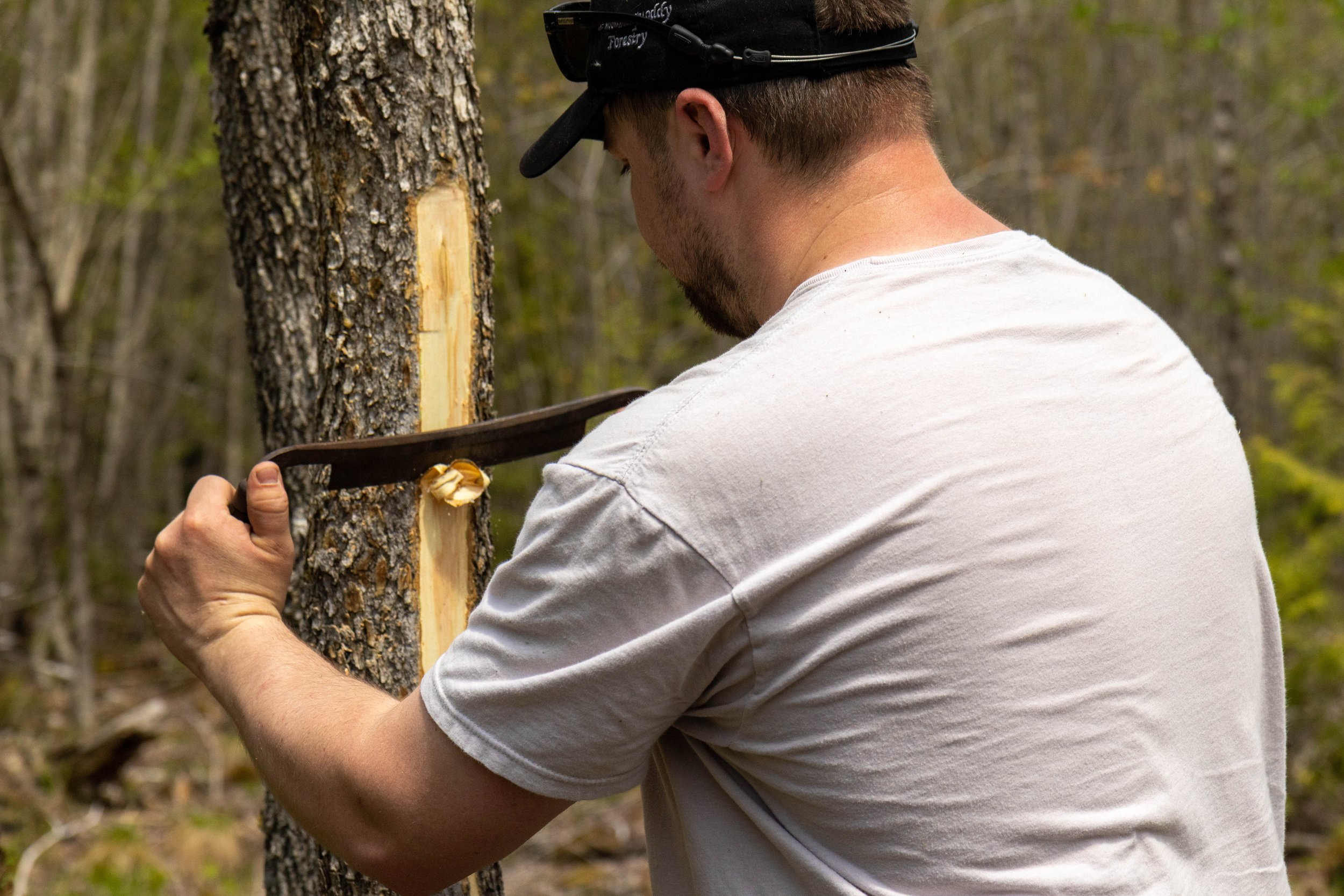
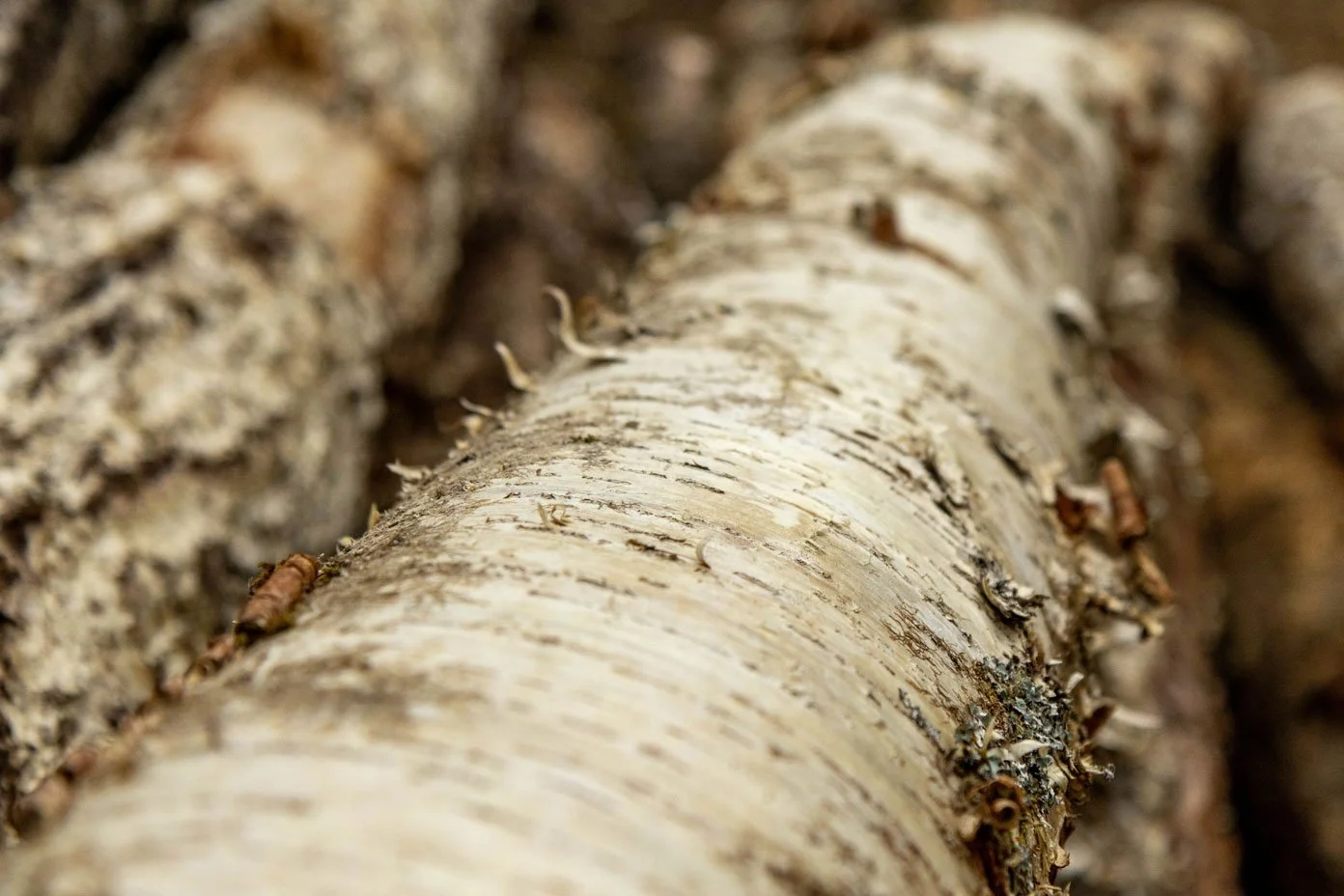
For the Wabanaki people, the brown ash is far more than a tree. Also known as black ash, brown ash is woven into their cultural identity, traditional knowledge, family history, and spiritual life. As the emerald ash borer, an invasive metallic green beetle, continues to spread across Maine, Tribal forestry staff and community members, together with private and public local, state, and federal partners, are working to protect the brown ash.
The Mi’kmaq, Passamaquoddy, Penobscot, Maliseet, and Abenaki peoples, whose communities extend throughout the broader Wabanaki homeland on Turtle Island. Within the United States, these peoples are represented by the Mi’kmaq Nation, the Passamaquoddy Tribe at Pleasant Point, the Passamaquoddy Tribe at Indian Township, the Penobscot Nation, and the Houlton Band of Maliseet Indians, while communities of these peoples also extend across the international border into Canada. Throughout the eastern woodlands of the broader Wabanaki homeland, brown ash wetlands are among the most culturally significant forest ecosystems.
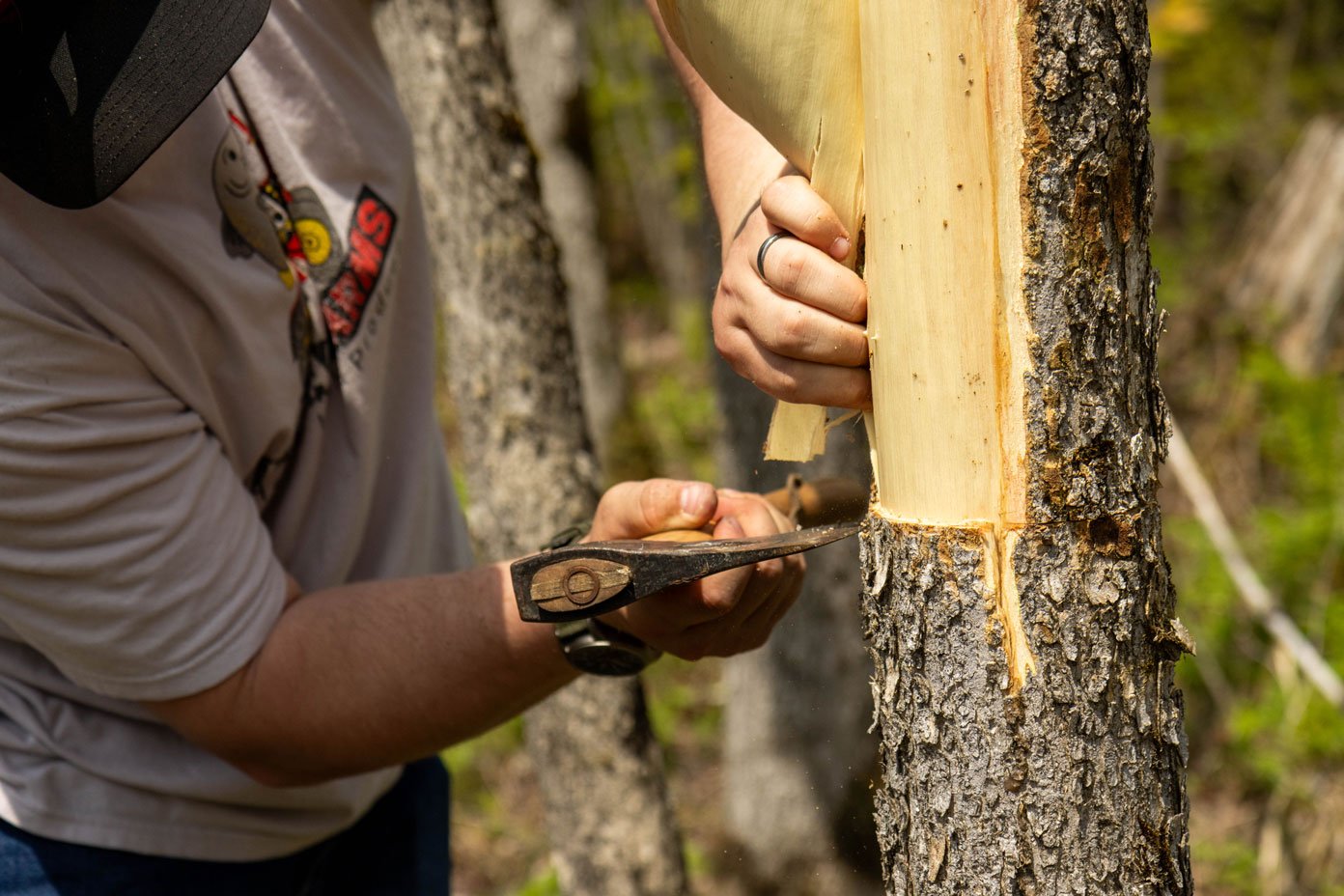
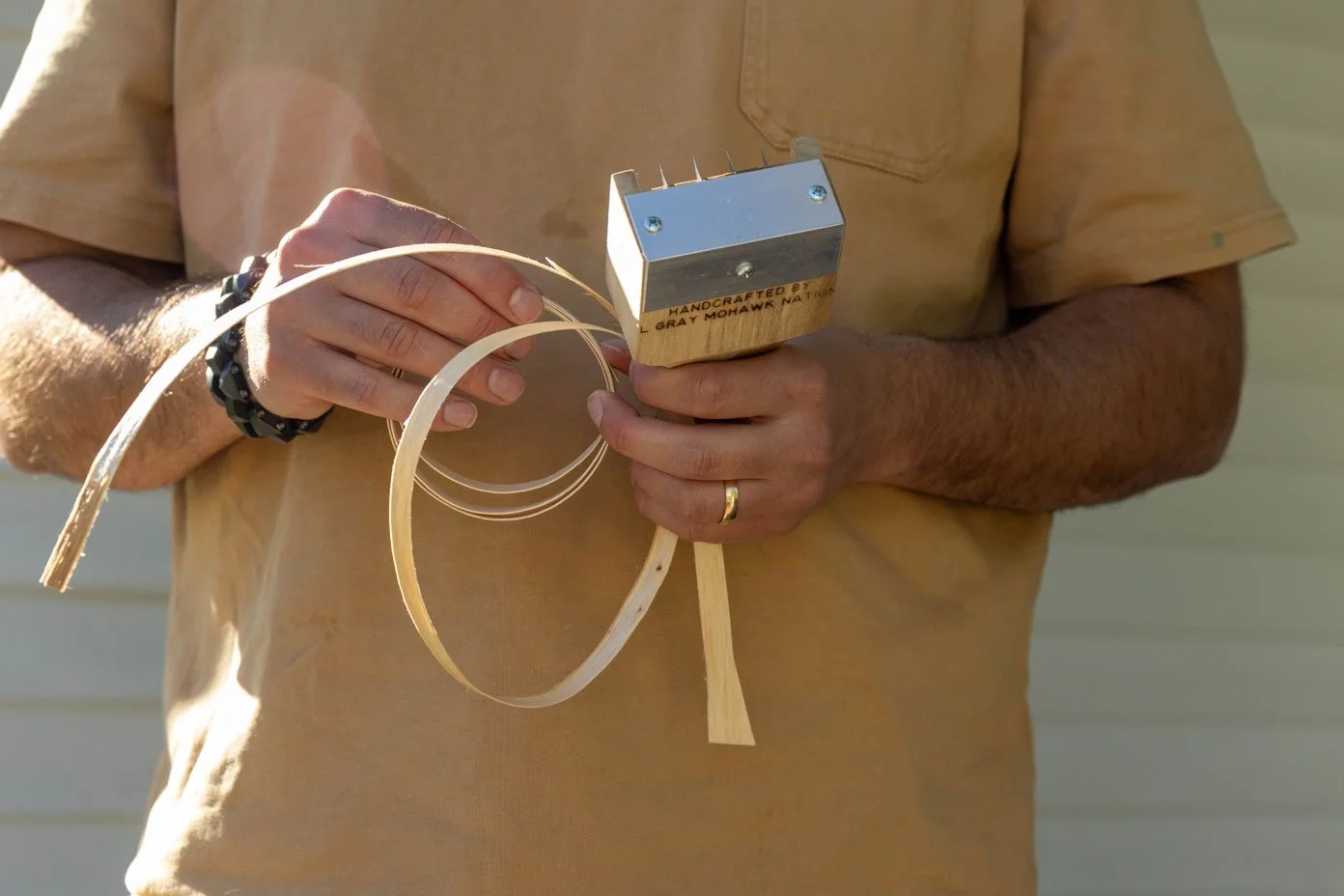
Tyler Everett, a Passamaquoddy forester, Forestry Resilience Specialist at United South and Eastern Tribes, Inc. (USET), and a graduate research assistant at the University of Maine, describes brown ash as “the basket tree,” emphasizing its central role in Wabanaki life. “Brown ash is used to create the traditional baskets that have been a hallmark of Wabanaki artistry for generations. However, its significance extends far beyond basketry. The tree is used in ceremonies, medicine, cradleboards, bassinets, and burial traditions. It accompanies Wabanaki people throughout every stage of life,” he explains. Everett, a member of the Mi’kmaq Nation, adds,
“Protecting brown ash means protecting a relative, a piece of who the Wabanaki are.”
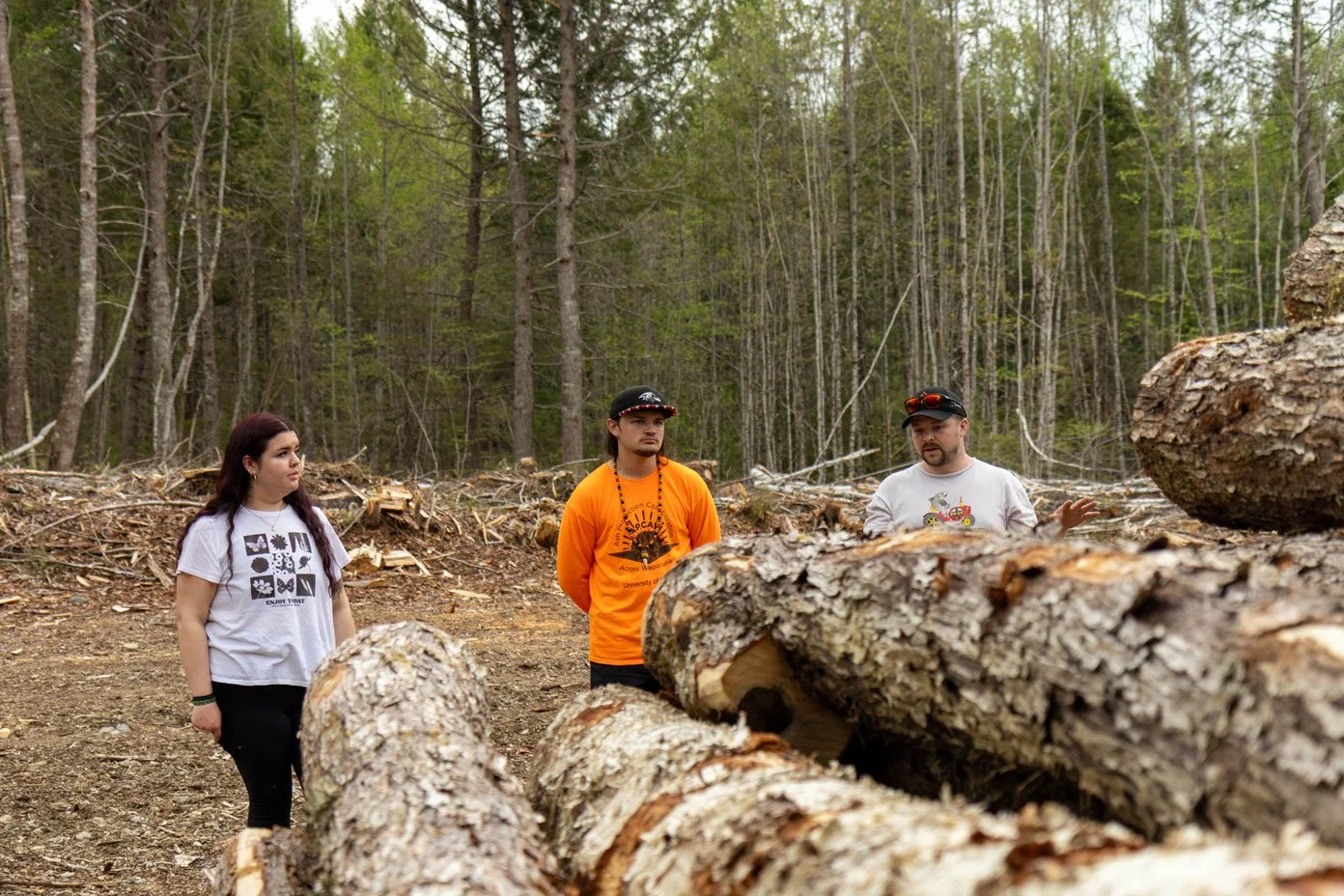
On a midsummer morning, Everett and others are monitoring for the insect. “We're not going to necessarily see if there are emerald ash borer beetles here today but we're going to set some traps that we can check over the course of this growing season. Hopefully, we won’t detect the borer, but if it's around, we'll at least know early rather than later.”
TRACING THE TRAJECTORY OF THE INVASIVE INSECT
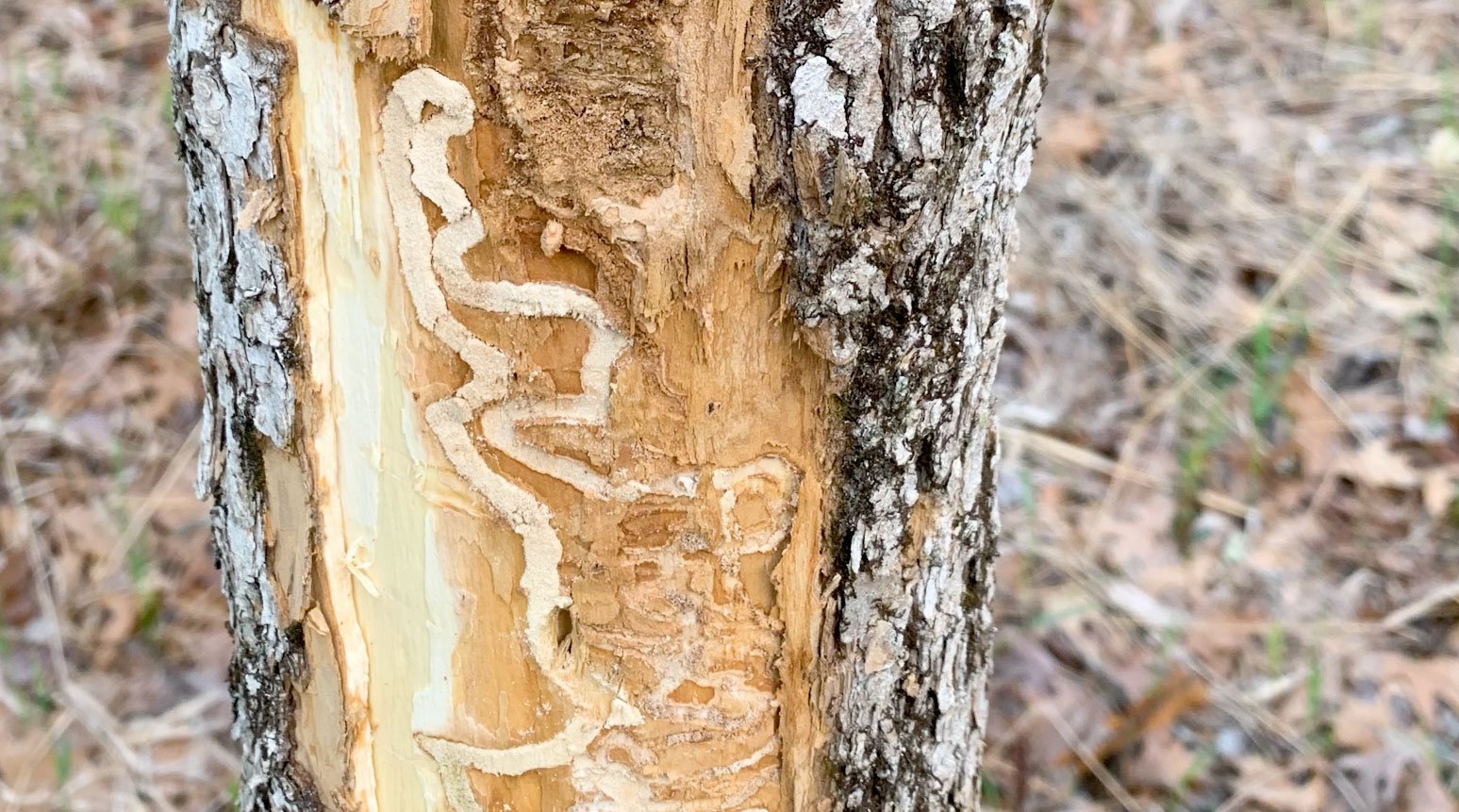
Native to Asia, the emerald ash borer was first detected in North America near Detroit, Michigan during the 1990s, after arriving in wood packing materials. Since then, it has killed hundreds of millions of ash trees across the United States and Canada. The beetle’s larvae tunnel beneath the bark, disrupting the tree’s ability to transport water and nutrients, ultimately causing the tree’s death.
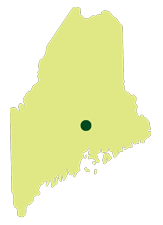
The ash borer was first discovered in Maine in 2018 and has been steadily moving closer to Passamaquoddy Tribal lands since then. According to Everett, “The expansion of the insect population usually occurs through the human transport of firewood or other infested materials. We’ve done a lot of work campaigning for not moving firewood, and buying wood where you burn it. This has been effective from a public outreach standpoint, but there are other strategies to try for protecting these trees and establishing natural enemies for the ash borer in these forests.”
In September 2026, Passamaquoddy Forestry Department staff identified an ash borer infestation on Tribal lands in Lowelltown, Maine. This – the first confirmed detection on Wabanaki Tribal lands – “highlights the urgency of this work and brings the cultural impact front of mind,” says Everett.
PROTECTING THE BROWN ASH THROUGH A TRIBAL LENS
The Passamaquoddy Forestry Department has spent years preparing for the ash borer’s arrival. One of the first steps involved identifying brown ash stands across Tribal lands. While geographic information systems (GIS) and mapping technologies have been valuable tools, some of the most important knowledge has come directly from basket makers and ash harvesters. Everett says:
INSIGHT
“Because they have visited these sites for generations, they possess deep knowledge about forest conditions, plant communities, and changes occurring over time. We can work with them to do harvests to keep the culture and the life way of basketry alive as well.”
Beyond monitoring and traps, the Tribe’s conservation strategy includes several complementary approaches. One involves collecting seeds from female brown ash trees before the ash borer impacts those populations. These seeds can then be stored or propagated to ensure the availability of future generations of ash trees. It was during a seed collection that Passamaquoddy Forestry Department staff found the first confirmed ash borer infestation on Tribal lands, serving as proof that active stewardship can help support early response to the ash borer. Forestry staff are also identifying important seed-producing brown ash trees that could receive protective insecticide treatments. While these chemical treatments are effective against the ash borer, they must be repeated every few years, making them valuable but not a permanent solution.
Another promising approach involves biological control. Working with federal and state partners, including the USDA Animal and Plant Health Inspection Service, land managers release tiny parasitoid wasps that naturally attack the ash borer’s eggs and larvae. Extensive research has shown that these parasitoids do not sting people and pose little to no risk to humans, as well as the ecosystems to which they are introduced. Instead, they target ash borer populations and may help reduce the severity of infestations.
TOP 6 NRCS PRACTICES USED
Resource Concerns: Plant Health – Plant Structure and Composition, Plant Health – Plant Productivity and Health, Pest Pressure – Plant Pest Pressure
PROPAGATION WITHIN AN ASH NURSERY
One of the most innovative conservation efforts is the Passamaquoddy Wikp Brown Ash Nursery. Located in a former Tribal community garden space adjacent to a food pantry, the nursery has been transformed into a center for brown ash propagation. The facility includes growing beds and greenhouse infrastructure designed specifically to raise brown ash seedlings. Everett says:
“Community members, particularly basket makers and ash harvesters, helped shape the vision for the project. Their input highlighted the need not only to protect existing trees but also to prepare for future forest restoration.”
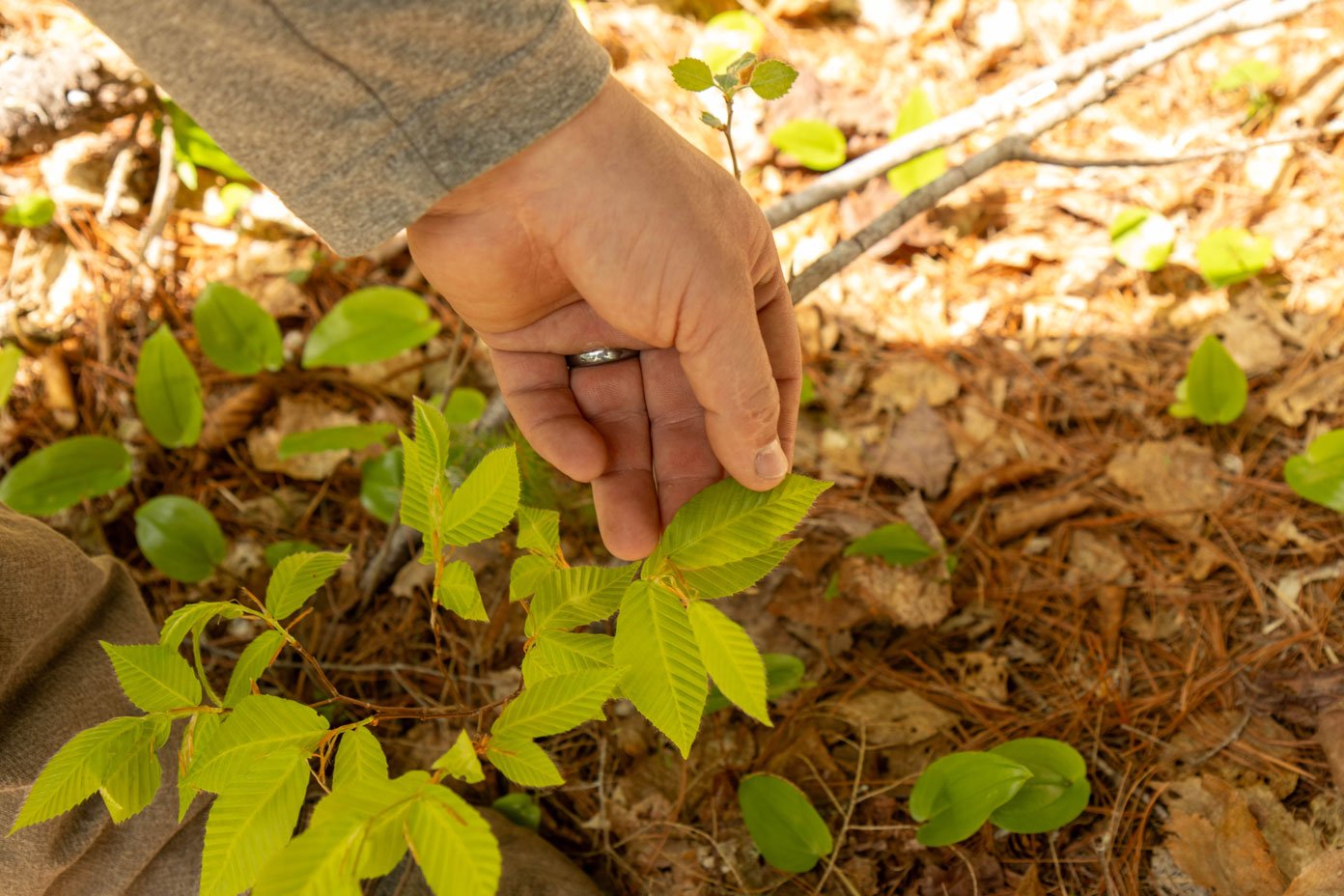
Growing brown ash is not simple. The species is a mast-seeding tree, typically producing significant crops of seeds once every eight years. Forestry staff carefully monitor flowering patterns each spring to determine whether a productive seed year is likely. Once collected, seeds undergo a lengthy natural stratification process requiring multiple seasonal cycles before germination. This means planning and patience are essential components of the nursery’s operation.
The long-term goal is to produce seedlings for planting both by community members and by Tribal forestry staff. Community distribution raises awareness and encourages stewardship, while strategic plantings can help fortify areas where natural regeneration is limited.
INSIGHT
By establishing young ash trees before the ash borer arrives for the first time, managers hope to create future generations of ash trees capable of sustaining the species on the landscape.
STRENGTH AND SUPPORT THROUGH COLLABORATION
Funding and partnerships have been essential to making these efforts possible. Initial support for the nursery was provided with a subaward administered by USET, which received funding through the USDA-supported SARE program. This seed funding allowed the ash nursery project to become a reality and provided a foundation for its growth.
Additional partnerships with the NRCS, the Bureau of Indian Affairs, and other organizations continue to support planning and infrastructure development. NRCS staff have provided technical guidance and explored opportunities to improve irrigation systems and nursery efficiency. These collaborations demonstrate how Tribal initiatives can benefit from federal support while remaining grounded in community priorities.
INSIGHT
Beyond the nursery itself, regional cooperation has become a powerful force for conservation. The Brown Ash Task Force and the Ash Protection Collaboration Across Waponahkik (APCAW) bring together Tribal nations, basket makers, researchers, and government agencies to develop culturally informed approaches to ash protection. These collaborative efforts ensure that Indigenous knowledge and community needs remain central to conservation decisions.
Despite the challenges posed by the emerald ash borer, Everett remains hopeful. That hope comes not from any single strategy but from the growing network of people committed to protecting brown ash. Researchers, foresters, basket makers, Tribal leaders, and community members are all working toward the same goal. Through monitoring, seed collection, biological controls, nursery production, and strong partnerships, they are laying the groundwork for a future in which the brown ash continues to thrive and remain an enduring part of Wabanaki culture and identity. In doing so, Wabanaki people reciprocate the care that this tree, their relative, has provided to them since time immemorial.