Restoring the Elk Creek Watershed: Success Through Partnership & Trust
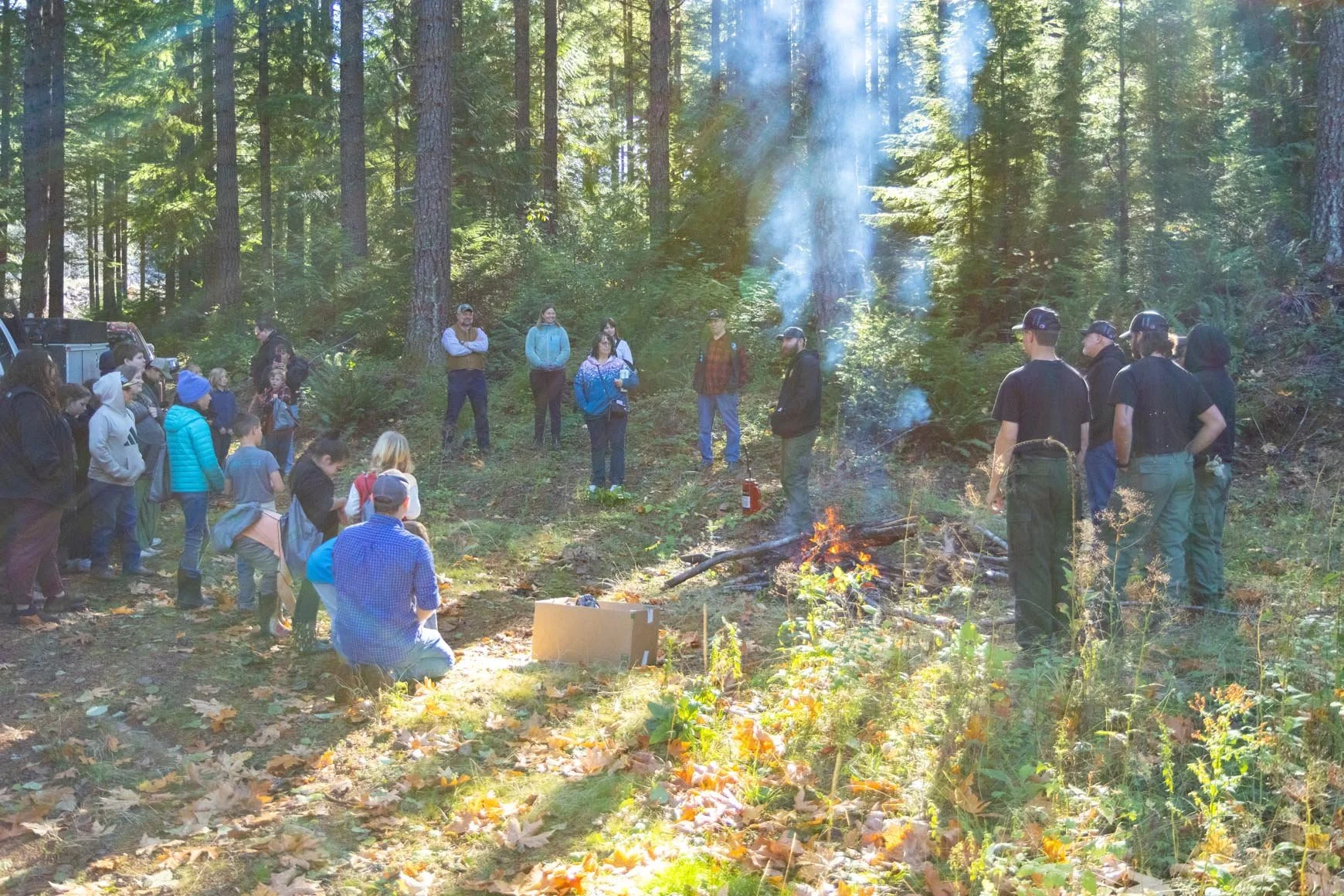
This collaboration between the Cow Creek Umpqua Tribe, USDA Natural Resources Conservation Service (NRCS) in Oregon, U.S. Forest Service’s Tiller Ranger District, Oregon Department of Forestry, and other partners demonstrates how traditional ecological knowledge, western science, and governmental conservation practices can converge to reclaim the watershed.

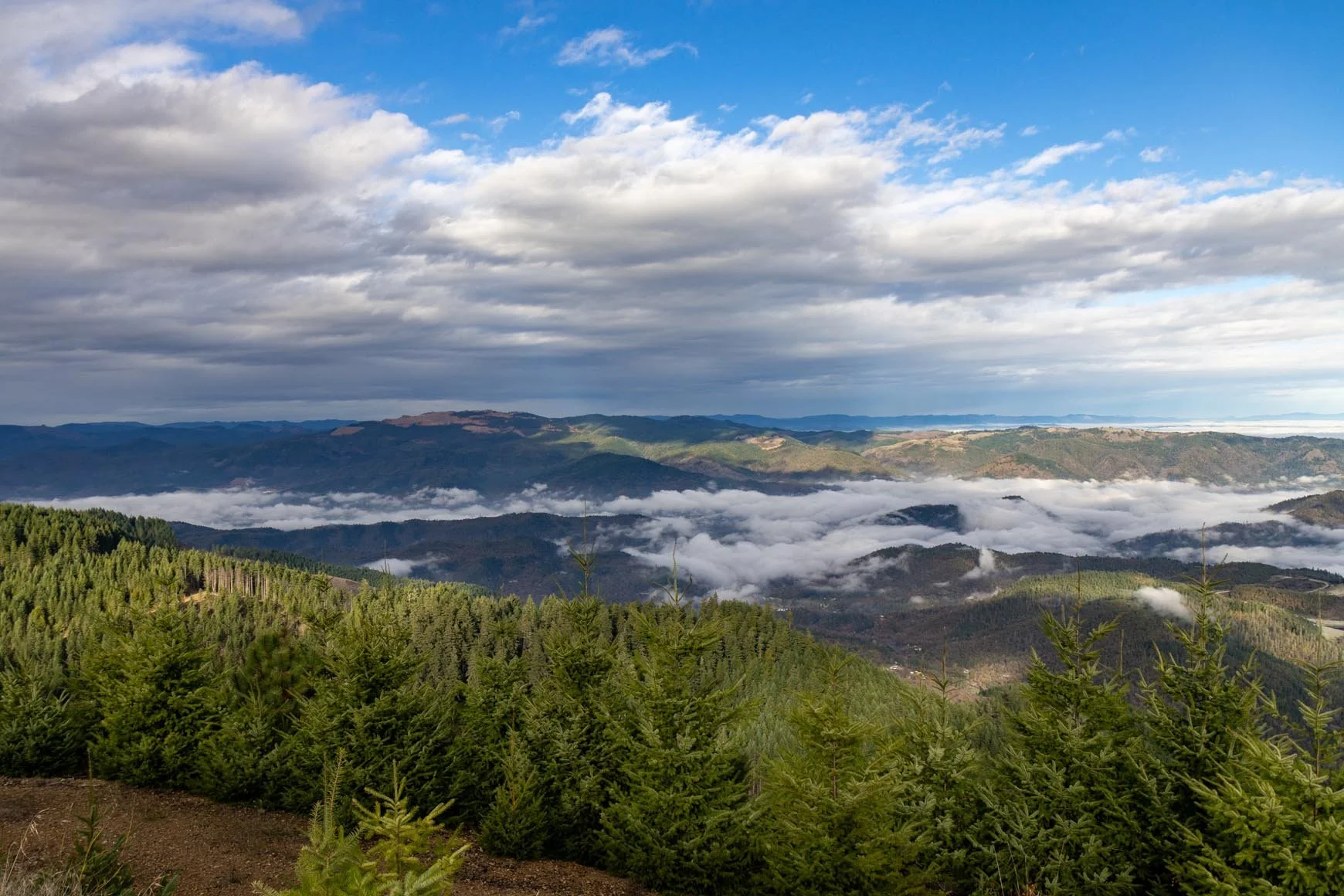
The Elk Creek Watershed, located in Southwestern Oregon, has deep significance for the Cow Creek Band of Umpqua Tribe of Indians. For generations, the area that some Tribal elders recall as the “Five Meadows complex,” rich in wildlife, cultural plants, and traditional food sources, was maintained through Tribal ecological practices, such as cultural burning. But for nearly the past 100 years, federal fire suppression and various management regimes allowed dense conifer encroachment to consume these open areas. Meadows disappeared, oak woodlands declined, and vital wildlife areas shrank.
The work was supported through the Joint Chiefs Landscape Restoration Partnership and, later, the expanded Elk Creek Partnership, totaling approximately $13 million in assistance across many partners.
RECLAIMING THE LAND’S NATURAL IDENTITY
When the Cow Creek Umpqua Tribe acquired portions of the land from a private industrial timber company, they found stressed forests poorly adapted to hotter, drier conditions and shallow soils. Oak woodlands were shaded out by young, densely packed conifers, resulting in imbalanced ecosystems that were increasingly vulnerable to disease and catastrophic wildfire.
The Cow Creek Umpqua Tribe and its partners undertook reclamation practices that included pre-commercial thinning of dense conifer stands that prioritized cultural resources and plants; removal of Douglas fir encroachment in oak woodlands and meadows; restoration of oak habitat to support wildlife and culturally important species; and reintroduction of fire though cultural and prescribed burning.
These actions addressed both the ecological and cultural priorities of the Cow Creek Umpqua. For example, thinning reduced wildfire risk, while opening meadows improved overwintering habitat for Columbian Black Tailed deer, an important Tribal resource. Jason Robison, Cow Creek Umpqua’s Land and Resources Officer, noted:
“The project was viewed through a cultural lens, allowing us to coordinate with federal and state partners on their priorities, while also meeting the cultural and ecological needs of the Cow Creek Umpqua.”
Perhaps the most transformative practice was the return of fire to the landscape. Tim Vredenburg, Cow Creek Umpqua’s Director of Forest Management, described how earlier Tribal burning had already demonstrated its value. “In an area treated with cultural fire seven or eight years prior, a subsequent wildfire revealed a stark contrast. Where we conducted Tribal burning, those trees are thriving. The system looks as it should. However, in nearby stands that had been mechanically thinned but not yet burned, mortality remains high. The lesson was unmistakable: fire was not optional, it was essential,” he said.
COOPERATION FROM THE GROUND UP
Wade Christensen, Silviculture Forester for Cow Creek Umpqua, shared how the Elk Creek project evolved from a conventional thinning plan into a broader vision. “When I first joined the project as an intern, the team expected to manage the area as a conifer forest. But once they walked the ground, a step missed during the fast-tracked planning stage, what they found told a different story,” he said.
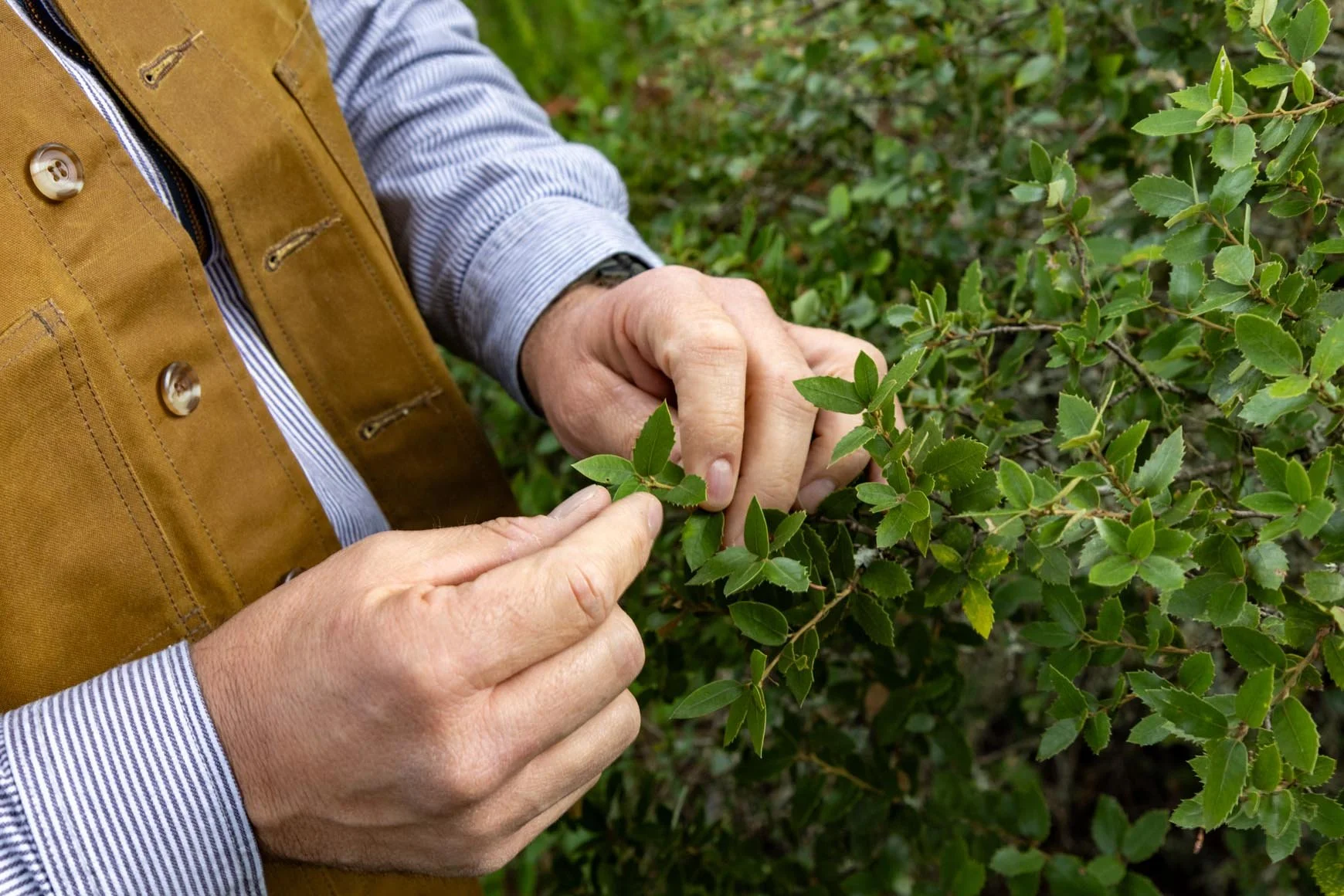
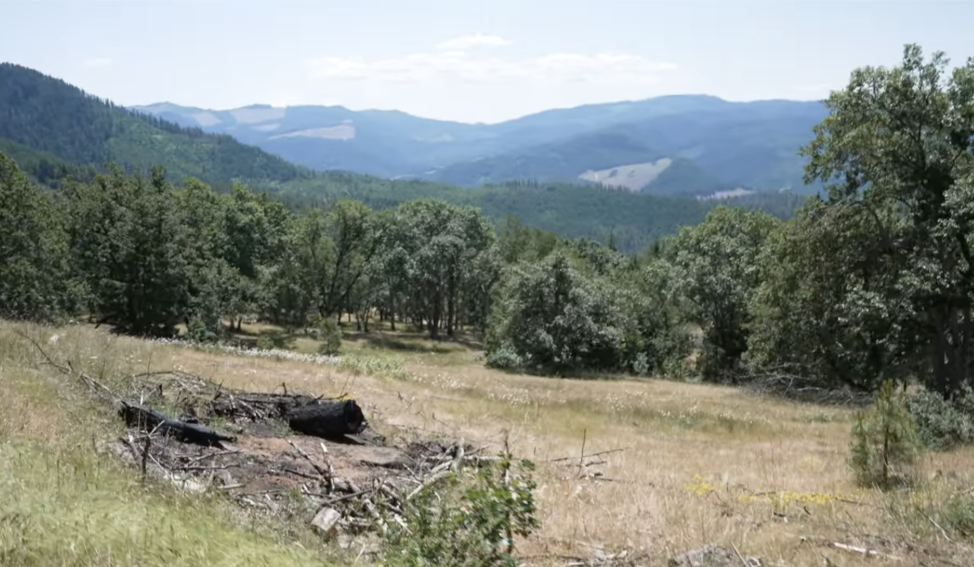
Large legacy oaks, suppressed under encroaching conifers, revealed the land’s natural identity as oak savanna and woodland. With this discovery, the state government partners demonstrated flexibility, allowing Tribal leadership to shift the project prescription to support oak restoration and other cultural goals. This shift didn’t alter the project’s broader goals of improving forest health and fire resiliency. Rather, it rebalanced priorities.
In many units, restoring oak habitat naturally aligned with reducing wildfire risk. Christensen describes the implementation on the ground as collaborative.
“Our partners walked the land, learned its history, and adapted to what the forest itself showed them.”
This process is closely tied to the Cow Creek Umpqua’s site-specific approach to management, which is guided by their deep connection to the land and their focus on managing what is most important to them.
TOP 6 NRCS PRACTICES USED
Resource Concern: Degraded plant condition - Plant structure and composition, Forest Management Plan 106, Required
AN APPROACH GROUNDED IN HOLISTIC STEWARDSHIP
The Cow Creek Umpqua Tribe manages roughly 49,000 acres of forest within a 6.2-million-acre ancestral territory. According to Robison, “Cow Creek Umpqua’s philosophy centers on long-term, seven- generations sustainable management, balancing cultural, ecological, and economic goals. This includes maintaining local jobs, restoring ecological function, and protecting culturally significant species and habitats.” Robinson added:
“Rather than treating restoration as a onetime intervention, Tribal leadership emphasized continuity. We’re really looking at not just this treatment but what the next treatment down the road looks like in this area, so we don’t lose any ground.”
Tim Vredenburg, Director of Forest Management for the Cow Creek Band of the Umpqua Tribe of Indians, shares how partnerships with the Natural Resources Conservation Service (NRCS) help bring real change to the land.
INSIGHT
Much of the project work on Tribal lands was completed by a Tribal member-owned logging company, directly supporting Tribal family-owned businesses, local employment, and economic diversification.
The restoration project also strengthened relationships with NRCS and the Forest Service, opening the door to future collaborations and increased investment in the watershed. One milestone in expanding partnerships was the signing of a shared stewardship agreement between Cow Creek Umpqua and the Forest Service, covering a focus area of 155,000 acres. The agreement was signed on February 12, 2026, in a private ceremony at the Forest Service headquarters in Washington, D.C.
A PRESCRIPTION FOR CONTINUING COLLABORATION
Both Robison and Vredenburg noted that NRCS, Forest Service, and other leadership in Oregon emphasized listening to Tribal expertise, flexibility within practice standards, and co-designing treatments rather than prescribing them from the top down. Instead of imposing conventional forestry prescriptions, staff worked closely with the Cow Creek Umpqua Tribe’s land managers to translate Tribal ecological goals into implementable conservation practices.
Vredenburg said, “Our Elk Creek project partners were very deferential to the Tribal leadership, supporting their design and entire self-management strategy. This stands in contrast to the paternalistic attitudes Tribes have experienced for generations.” Still, Robison cautioned that:
INSIGHT
…the system throughout the U.S. is still largely rooted in a paternalistic mindset, and success often depends on local staff who are willing to support Tribal priorities.
He emphasized the importance of building relationships at multiple levels within agencies to foster this kind of support. In their case, Cow Creek Umpqua’s relationship with agency partners has been growing for more than a decade, creating the trust and mutual understanding needed to advance shared stewardship and long-term collaboration. Christensen concurs:
“The Elk Creek project highlighted the key lesson for other Tribes regarding their government partners: relationships matter most.”
He describes the importance of regular, informal connections—knowing about each other’s families, sharing meals, and building trust well before navigating technical decisions. True collaboration, he emphasizes, cannot be transactional; it requires genuine presence. The Elk Creek project offers a clear example of what is possible when trust, time, and shared purpose guide restoration.
INSIGHT
By centering Tribal knowledge, investing in long-term relationships, and remaining flexible in how conservation is implemented, partners were able to achieve outcomes that are both ecologically resilient and culturally meaningful.
As climate pressures intensify and land management challenges grow more complex, this model of collaboration grounded in respect, co-learning, and sustained engagement provides a path forward not only for the Cow Creek Umpqua Tribe and its partners, but for other landscape projects that seek durable, community driven solutions.